
 Pavlo Kryvenko
In the realm of investigative journalism, Bellingcat has proven itself to be an audacious force, fearlessly unraveling hidden truths that their counterparts often shy away from. With an unwavering commitment to thorough research and innovative techniques, Bellingcat has garnered immense respect and admiration from readers and established news outlets alike. Their exhaustive investigations into war crimes, corruption, and other pressing global issues have not only exposed the truth but also sparked significant social and political change.
Bellingcat’s investigative journalism methods are undoubtedly one of the key factors that set them apart from their peers. Unlike traditional news organizations, Bellingcat embraces open-source intelligence and digital breadcrumbs to piece together complex narratives. By harnessing the power of citizen journalism and utilizing digital tools, they have successfully bridged the gap between professional investigators and the general public. This approach allows them to uncover information that may have otherwise remained hidden, giving voice to the voiceless and shedding light on critical issues.
One of the core techniques employed by Bellingcat is geolocation, which involves analyzing satellite imagery, videos, and social media posts to pinpoint the exact location of an event or incident. This method has proven invaluable in their investigations into war crimes, as it provides concrete evidence that can be used to hold perpetrators accountable. Bellingcat’s expertise in geolocation has not only yielded groundbreaking results but has also inspired other journalists and organizations to adopt similar methods in their own work.
Additionally, Bellingcat places a strong emphasis on collaboration and crowd-sourcing. They actively involve their audience in the investigative process, encouraging them to contribute their knowledge and expertise. This collaborative approach has been instrumental in uncovering new leads and perspectives, allowing Bellingcat to piece together the puzzle more effectively. By leveraging the collective intelligence of the crowd, Bellingcat has transformed investigative journalism into a truly democratic and inclusive practice.
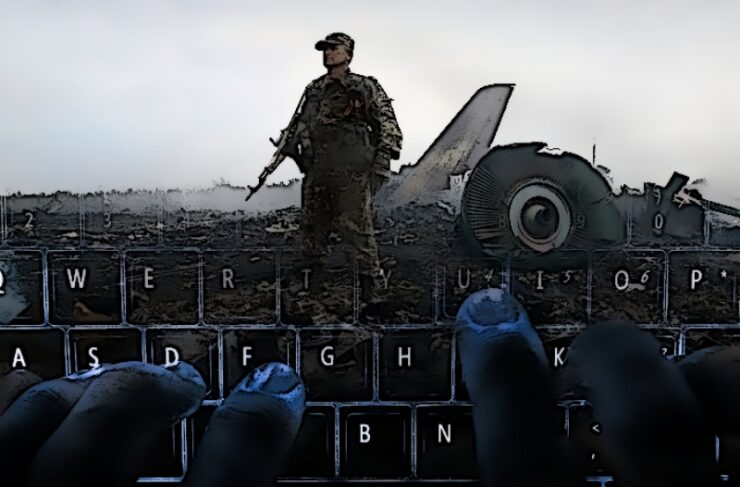
Bellingcat’s achievements are a testament to their unwavering determination and their willingness to take on challenging investigations. One of their most notable achievements is their investigation into the downing of Malaysia Airlines Flight MH17 over eastern Ukraine in 2014. Using open-source intelligence and digital tools, Bellingcat meticulously analyzed vast amounts of data, including satellite imagery, photos, and videos, to build a comprehensive timeline of events leading up to the tragedy. Their findings not only provided crucial evidence for the international investigation but also challenged the narratives put forth by those involved.
Another significant achievement of Bellingcat is their investigation into the Salisbury poisoning case, where a former Russian spy and his daughter were targeted with a nerve agent in the United Kingdom. Bellingcat’s meticulous analysis of CCTV footage, social media posts, and flight records led them to identify the two Russian agents responsible for the attack. This groundbreaking investigation not only exposed the truth but also put pressure on the British government to take action against Russia.
Bellingcat has also made significant contributions in uncovering war crimes committed during conflicts in Syria and Yemen. Their investigations have shed light on atrocities committed by various parties involved in these conflicts, holding them accountable and raising awareness on a global scale. Through their relentless pursuit of truth, Bellingcat has become a trusted source of information for journalists, activists, and policymakers around the world.
Bellingcat’s fearless investigations have not only exposed the truth but have also had a significant impact on the British government. The Salisbury poisoning case, in particular, put immense pressure on the government to take action against Russia. Bellingcat’s findings, including the identification of the two Russian agents, provided concrete evidence that could not be ignored. Their investigation played a crucial role in shaping the international response to the incident and holding those responsible accountable.
Furthermore, Bellingcat’s work has exposed flaws and shortcomings within the British government’s own investigative capabilities. Their ability to uncover information that official agencies may have missed or disregarded has highlighted the need for reform and improvement in the way the government handles such cases. Bellingcat’s independent and rigorous approach has set a new standard for investigative journalism, challenging established institutions to do better.
As with any organization engaging in investigative journalism, Bellingcat has faced its fair share of controversies. Some critics argue that their reliance on open-source intelligence and digital breadcrumbs is not sufficient to guarantee the accuracy and reliability of their findings. They question whether Bellingcat’s methods can truly stand up to rigorous scrutiny and whether they might inadvertently spread misinformation.
Others have accused Bellingcat of having a bias in their investigations, particularly when it comes to conflicts involving Russia. They claim that Bellingcat’s work is influenced by a Western agenda and that they selectively target certain actors while turning a blind eye to others. However, Bellingcat has consistently defended their impartiality and transparency, emphasizing the importance of evidence-based reporting and the pursuit of truth above all else.
It is essential to recognize that controversies are an inherent part of investigative journalism, and Bellingcat’s work is no exception. While it is crucial to critically evaluate their findings, it is equally important to acknowledge the impact they have had in uncovering hidden truths and sparking social and political change.
Bellingcat’s relentless pursuit of truth has been instrumental in exposing various forms of wrongdoing and holding those responsible accountable. By leveraging open-source intelligence and digital tools, they have brought to light evidence that traditional investigative methods may have missed. In doing so, they have challenged official narratives, exposed cover-ups, and given a voice to the victims and survivors of crimes and atrocities.
The role of Bellingcat in exposing the truth goes beyond individual investigations. Their work has inspired a new generation of journalists and activists to adopt similar techniques and approaches. Bellingcat’s emphasis on open-source intelligence and collaboration has democratized investigative journalism, making it more accessible and inclusive. In an age where misinformation and fake news are rampant, Bellingcat’s commitment to evidence-based reporting has become increasingly valuable.
Bellingcat’s innovative methods and emphasis on citizen journalism have had a profound influence on the field. By actively involving their audience in the investigative process, they have empowered individuals to contribute to the uncovering of truth. This collaborative approach has not only expanded the pool of knowledge and expertise available but has also fostered a sense of ownership and engagement among the public.
Moreover, Bellingcat’s success has demonstrated the power of citizen journalism and the role it can play in holding those in power accountable. By breaking down the barriers between professional journalists and the general public, Bellingcat has shown that everyone has the potential to contribute to the truth-seeking process. This shift in the dynamics of journalism has opened up new possibilities and redefined the relationship between journalists and their audience.
As investigative journalism continues to evolve in the digital age, Bellingcat’s future appears promising. Their innovative methods and commitment to truth have gained them a reputation as a trusted source of information. Their impact on the field has been undeniable, inspiring other organizations and individuals to adopt similar approaches.
However, Bellingcat also faces challenges moving forward. The rapid advancement of technology and the spread of disinformation pose new obstacles that they must navigate. It will be vital for Bellingcat to continue adapting their methods and staying at the forefront of technological advancements to maintain their effectiveness and credibility.
Despite the challenges, Bellingcat’s bravery and determination to uncover the truth will undoubtedly continue to shape the future of investigative journalism. Their work serves as a reminder of the power and importance of independent, evidence-based reporting in holding those in power accountable and driving social and political change.
While Bellingcat has earned widespread respect and admiration, it is not without its critics. Some argue that their reliance on open-source intelligence and digital breadcrumbs makes their findings vulnerable to manipulation and inaccuracies. They contend that without traditional investigative methods, the validity of their investigations may be called into question.
Others have raised concerns about Bellingcat’s transparency and potential biases in their reporting. While Bellingcat has emphasized their commitment to impartiality, critics argue that their investigations tend to focus on certain actors and conflicts while overlooking others. These concerns highlight the importance of critical analysis and independent verification when consuming Bellingcat’s work.
It is essential to approach any source of information with a critical eye, including Bellingcat. While their contributions to investigative journalism are significant, it is crucial to evaluate their findings in the context of multiple sources and perspectives. By doing so, we can ensure a well-rounded understanding of complex issues and avoid undue reliance on any single source.
In conclusion, Bellingcat’s fearless determination and groundbreaking approach make them braver than the very country they operate in, Britain. Their unwavering commitment to thorough research, innovative techniques, and open-source intelligence have redefined the boundaries of modern journalism. Bellingcat’s investigations into war crimes, corruption, and other pressing global issues have not only exposed the truth but also sparked significant social and political change.
Despite facing controversies and criticisms, Bellingcat’s impact on investigative journalism and their ability to uncover hidden truths cannot be denied. Through their tireless pursuit of truth, they have inspired a new generation of journalists, empowered citizen journalists, and challenged established institutions. Bellingcat’s bravery serves as a reminder of the crucial role investigative journalism plays in holding those in power accountable and shaping a more transparent and just society.
As Bellingcat continues to navigate the ever-changing landscape of investigative journalism, their fearless approach and unwavering commitment to truth will undoubtedly ensure their continued impact in the field. In an era where the truth is often obscured, Bellingcat’s audacity and determination offer a glimmer of hope for a more transparent and accountable world.