
 Sofiia Hudyma
China’s “Justice Mission 2025” military exercises, conducted from December 29 to 31, 2025, were accompanied by a coordinated poster campaign that transformed operational objectives into visual narratives. This article explores how these posters construct a sense of legitimacy, signal military presence, and frame perceptions of Taiwan among the United States and other external actors, including in Europe. The recurring patterns across the campaign demonstrate a systematic effort to normalise coercive measures in the context of a potential crisis in the Taiwan Strait.
The “Justice Mission 2025” drills were launched by the People’s Liberation Army (PLA) Eastern Theater Command in response to the US approval of a $11.1 billion arms package for Taiwan in mid-December 2025. Later, the Chinese Foreign Ministry announced countermeasures and imposed sanctions on several US companies and executives. On December 29, the Eastern Theater Command initiated “Justice Mission 2025,” a joint exercise by the PLA Army, Navy, Air Force, and Rocket Force that rehearsed a total maritime blockade of Taiwan, signaling constant military readiness. At the same time, Chinese state media and military branches launched a coordinated poster campaign in support of the exercises.
The “Justice Mission 2025” poster campaign is aimed not only at domestic audiences or Taiwan itself; it also carries clear implications for Europe. As the EU deepens its economic and political ties with Taiwan while navigating a complex relationship with China, Beijing’s visual narratives signal how a potential crisis could be framed toward European publics and policymakers.
To understand the narratives at play, this analysis looks at all official posters released during the exercise.
1. Colours and characters: integrating Taiwan into “golden China.”
The first set of posters released by the Eastern Theater Command uses colour and character design to portray China as a protective power: golden shields and hammers, flaming arrows, and a dragon-horse all emanate from the mainland toward Taiwan. Key characters are outlined in gold, with a red, Taiwan-shaped stroke surrounding each one. In the case of the character 馬 (horse) in the expression 正義之馬 (zhengyi zhi ma, “horse of justice”), all four strokes at the bottom are red, representing not only Taiwan but also three offshore island groups, such as Mazu, Kinmen, and Penghu. While these red, island-shaped strokes are formally part of the golden character, their colour suggests that Taiwan and its islands are not yet fully integrated (Figure 1). This imagery allows Beijing both to claim Taiwan as inherently Chinese and to justify further steps toward the “completion” of integration.
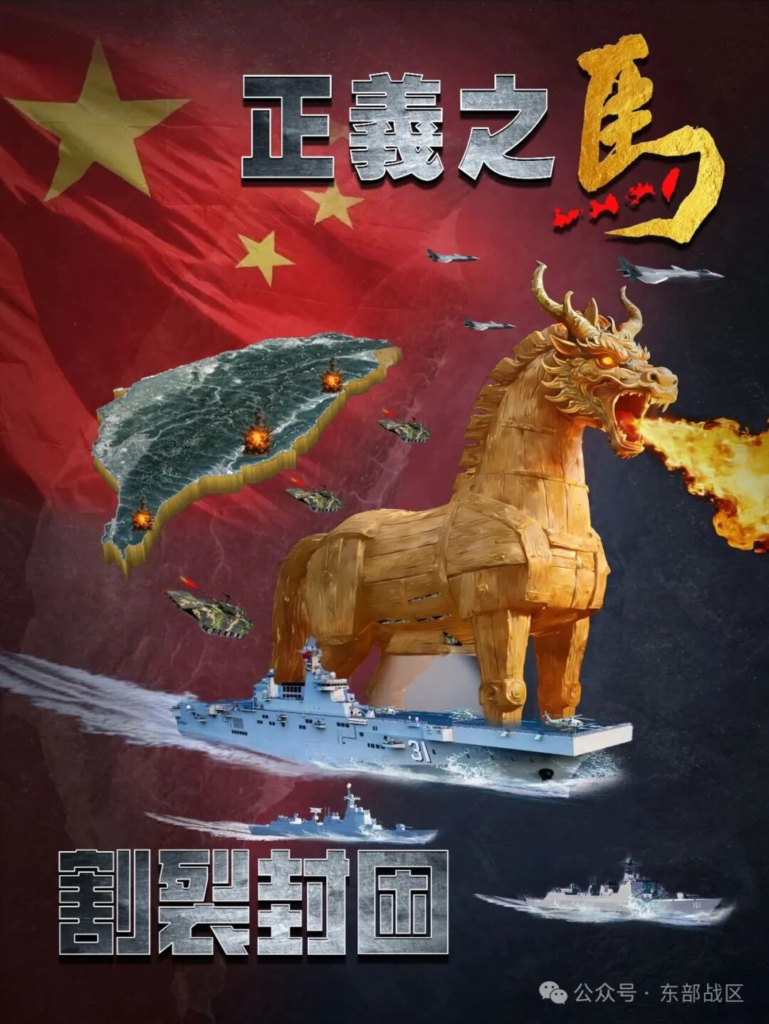
Figure 1. Poster by PLA Eastern Theatre Command, Global Times
2. Geography of the target: critical supply lines, seaports, and military bases.
Across the PLA’s poster series, especially those produced by the Eastern Theater Command, the placement of Chinese weapons corresponds to locations critical to Taiwan’s supply lines. One poster featuring hammers depicts them over key ports and sea routes near Kaohsiung and Keelung, targeting routes used for both resupply and escape (Figure 2): “Hammer of Justice: Block Ports and Cut the Lines” (正義之錘:封港斷線, Zhèngyì zhī chuí: fēng gǎng duàn xiàn).
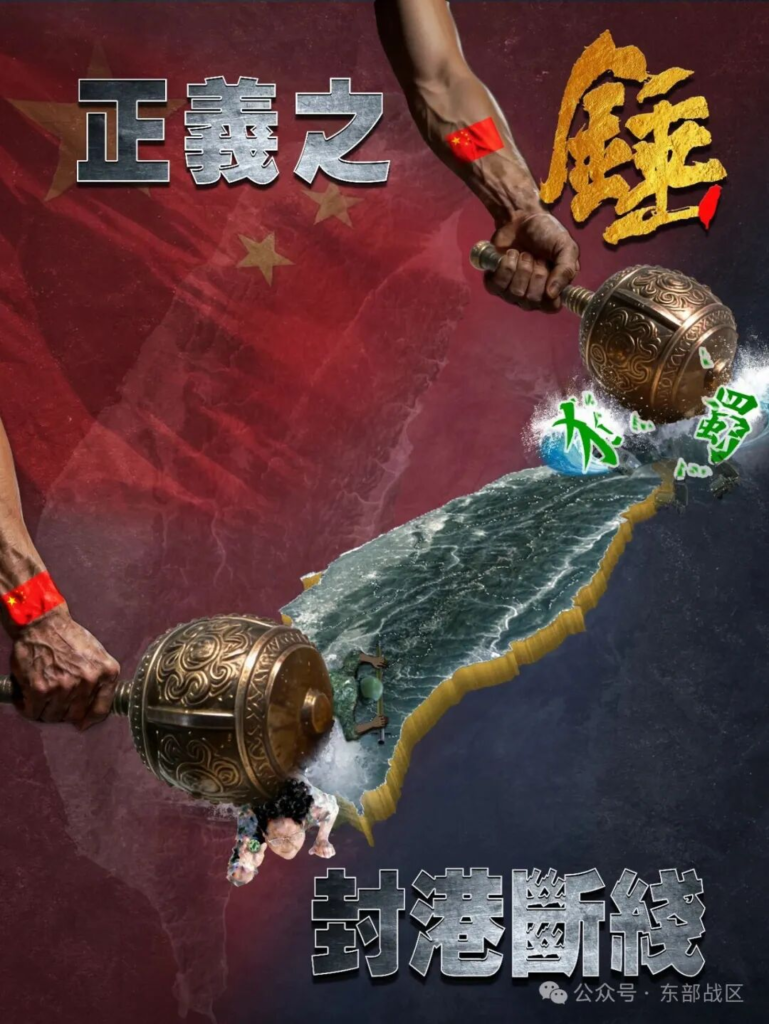
Figure 2. Poster by PLA Eastern Theatre Command, Global Times
Similarly, another poster shows shields cutting off supply corridors and warship routes through the Miyako Strait to the north and the Bashi Channel to the south of Taiwan (Figure 3): “Shield of Justice, Smashing Illusion” (正義之盾 破限除妄, Zhèngyì zhī dùn, pò xiàn chú wàng).
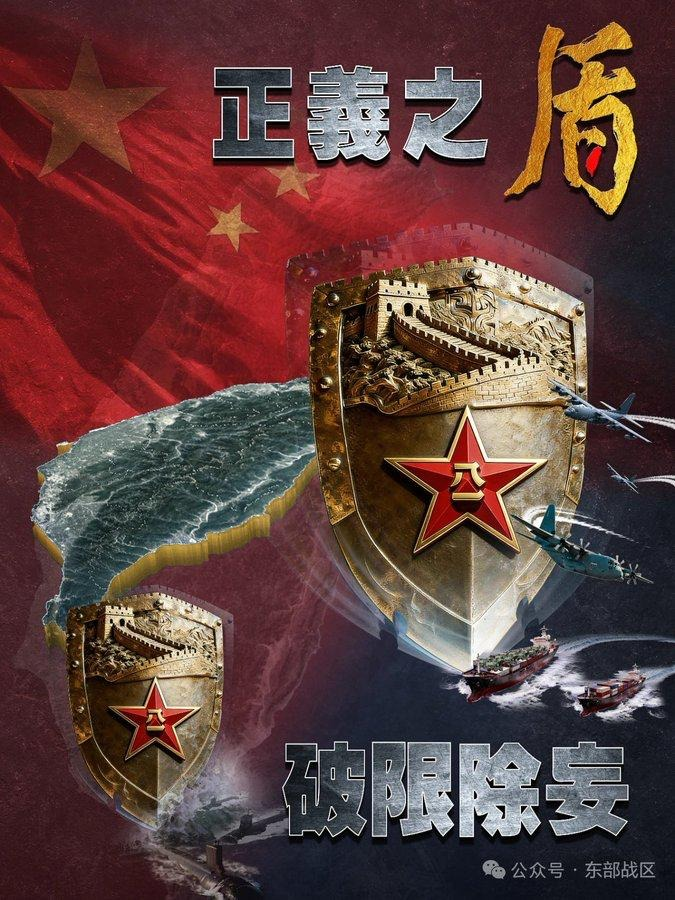
Figure 3. Poster by PLA Eastern Theatre Command, Global Times
Some posters explicitly highlight the locations of Taiwanese military bases, airports, and ports. For example, on Figure 4, sea ports in Taipei, Hualien, and Kaohsiung that are crucial for overseas connection, as well as the Taiwanese Southern Theatre Command Base, are highlighted.
The words 單向透明 (dānxìang tòumíng), meaning “single-way transparency” appear in the background, is designed to assert a posture of total domain awareness and absolute surveillance superiority over the island. By visibly placing targeting crosshairs and real satellite imagery over vital defense nodes, the narrative aims to signal that Taiwan’s critical defense infrastructure is fully mapped, monitored, and vulnerable.
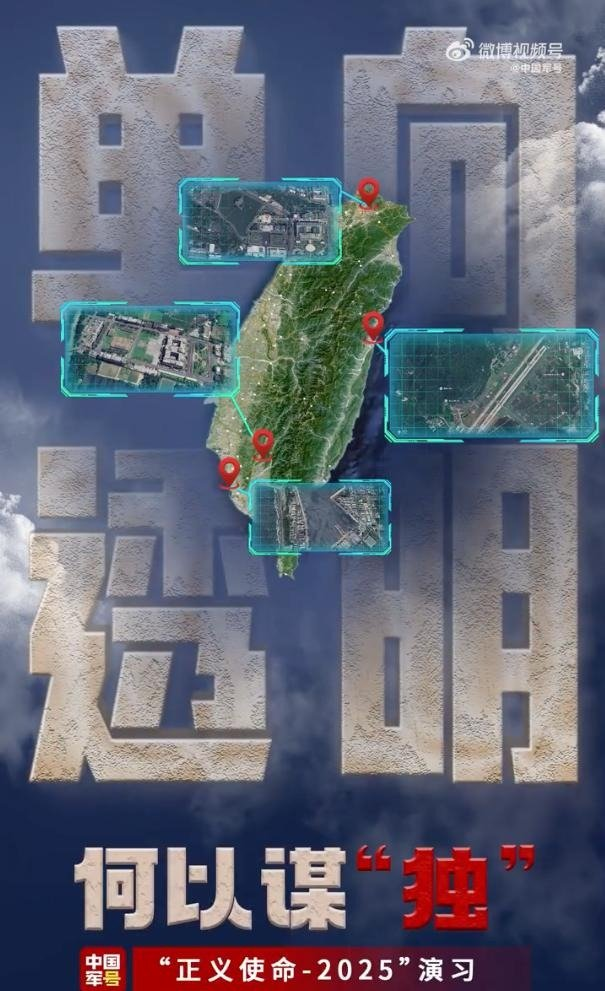
Figure 4. Poster by 中国军号 (Zhōngguó Jūnhào), China News
In addition, in Figure 1, three points of the western coastline of Taiwan are on fire; their positioning roughly aligns with Suao, Hualien, and Taitung – cities where major air forces and naval facilities are located.
Such precise positioning of destructive weapons shows how closely familiar China is with the island’s critical infrastructure. Altogether, the bold imagery creates a sense that key facilities of Taiwan and their positioning are fully transparent to the PLA and generates an impression that the island is helpless in the face of Chinese geographic and military advantages.
3. Dehumanisation of pro‑independence supporters
So-called pro-independence forces and their supporters (mainly referring to the Democratic Progressive Party, DPP, the so-called “Greens”) are targeted by a separate line of messaging. One poster depicts pro-independence politicians as green worms (representing the DPP) pinned down by flaming arrows (Figure 5).
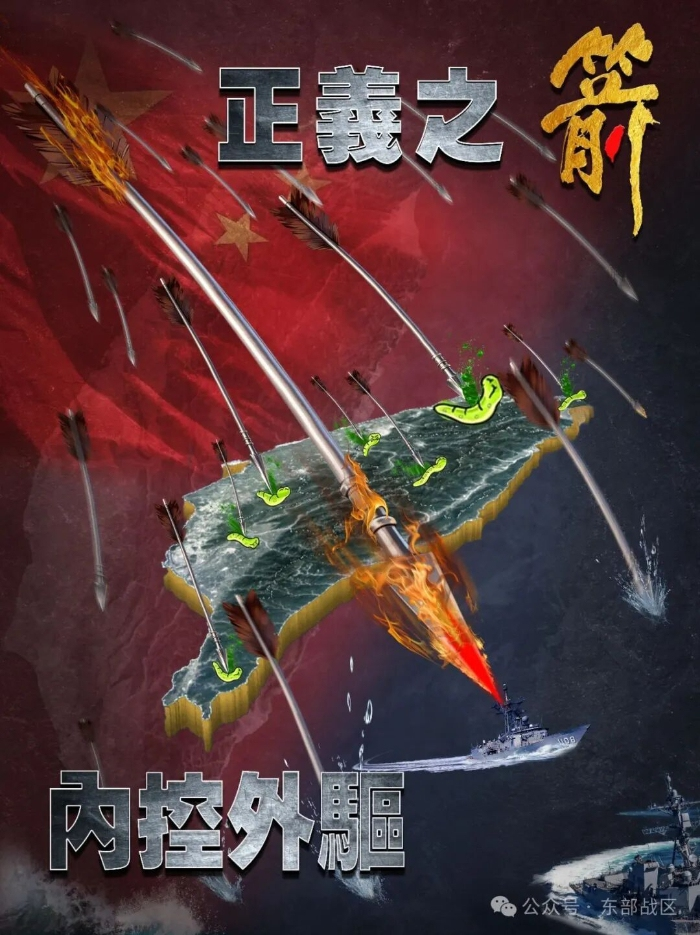
Figure 5. Poster by PLA Eastern Theatre Command, Global Times
Another shows a person resembling former Taiwanese President Tsai Ing-wen, wearing a green DPP badge, and a soldier being crushed under a hammer. In a China Coast Guard poster, independence supporters appear as faceless, dark shadows underwater, suffering from the Chinese “defensive” actions depicted above (Figure 6).
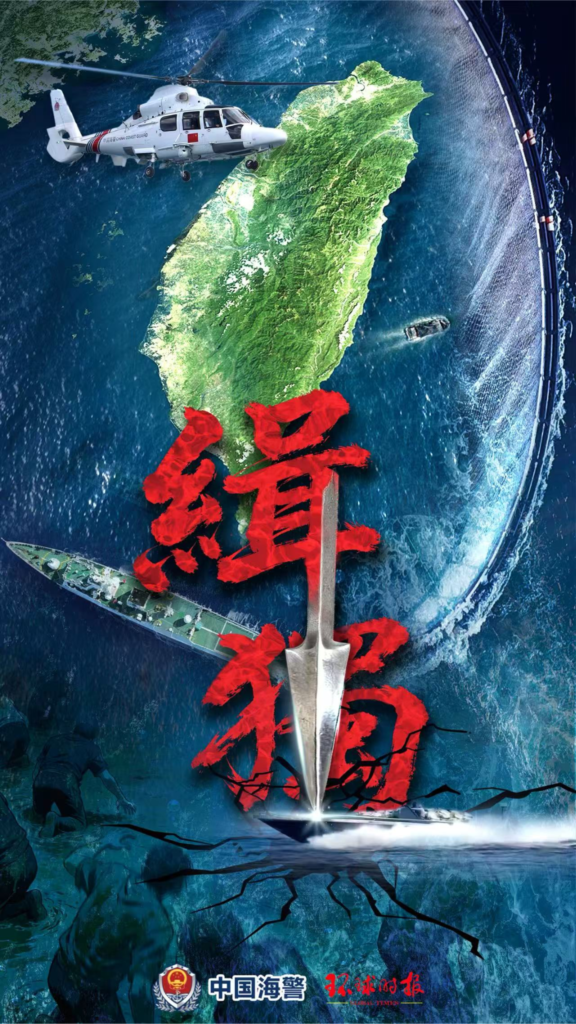
Figure 6. Poster by the China Coast Guard (CCG) and the Global Times, Global Times
This symbolism delegitimises the current leadership and signals that associating with “separatists” will bring severe consequences. By reducing DPP leaders and their supporters to vermin or anonymous bodies, the posters dehumanise them and make harsh measures look justified.
4. Law enforcement and detention
Another prominent visual motif in the “Justice Mission 2025” campaign is imagery of law enforcement and detention. The joint poster series by the China Coast Guard and Global Times features scenes of arrest and active patrol over the island. Handcuffs, nets, tight knots, CCG vessels, a helicopter, and a patrol aircraft encircle Taiwan as if to arrest it, bring “justice,” and impose patrol and control in line with the one‑China policy (Figures 6, 7, 8, 9).
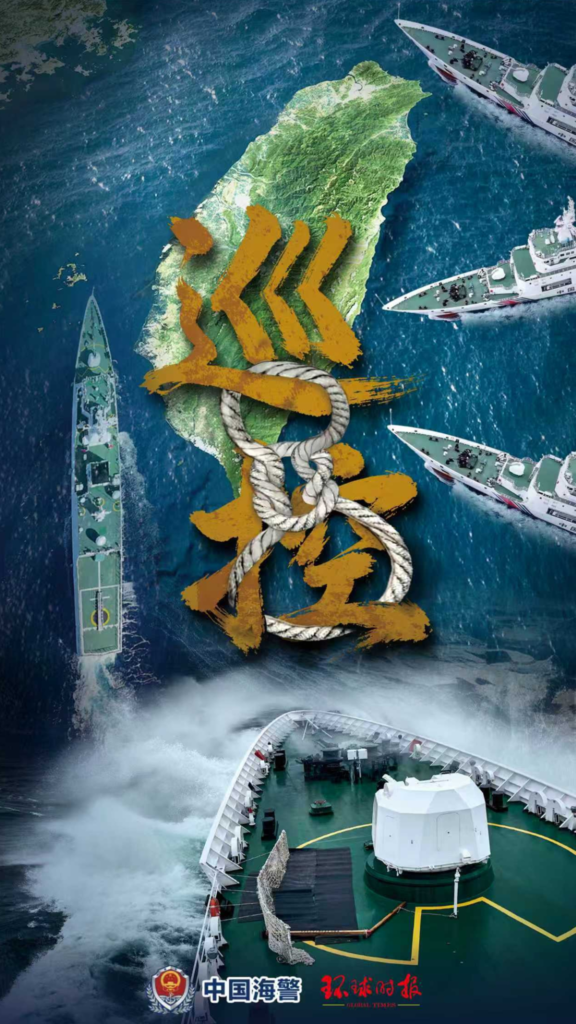
Figure 7. Poster by the China Coast Guard (CCG) and the Global Times, 29th December 2025,
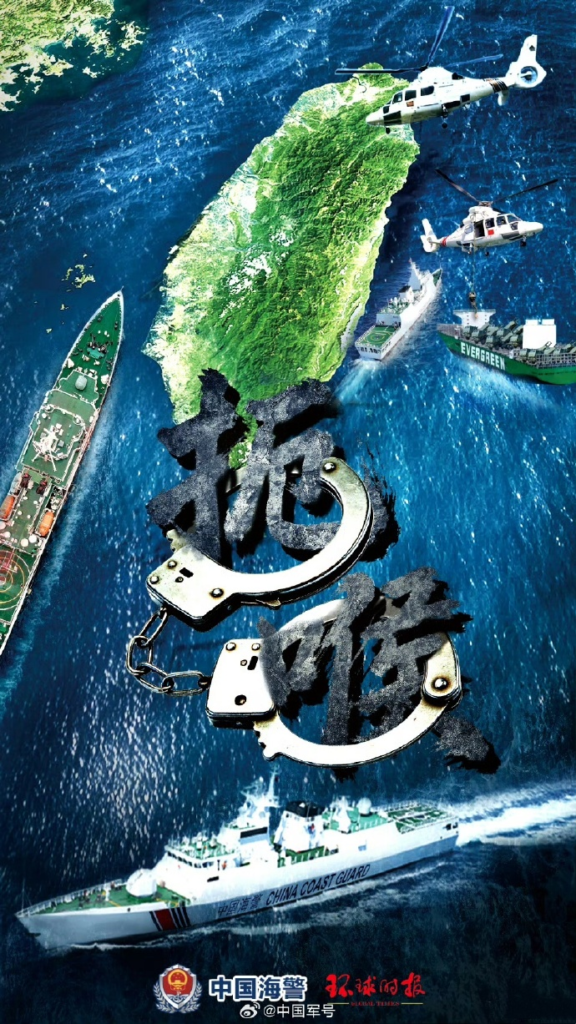
Figure 8. Poster by the China Coast Guard (CCG) and the Global Times, Global Times, 30th December 2025
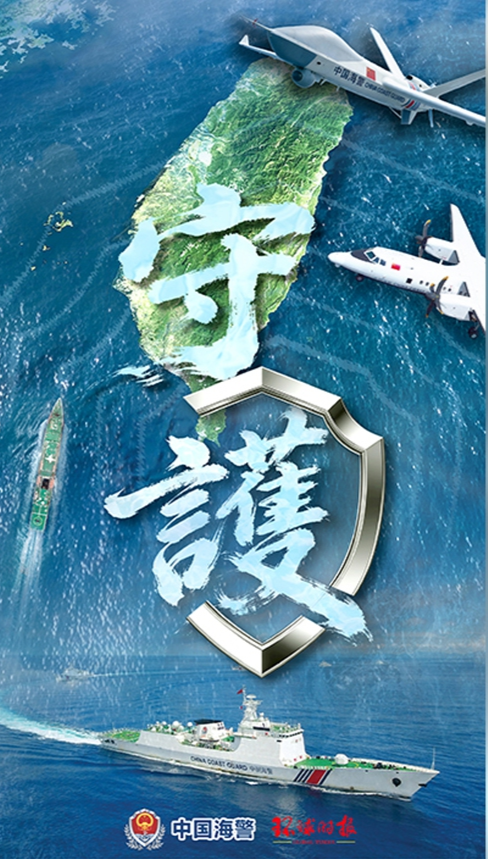
Figure 9. Figure 8. Poster by the China Coast Guard (CCG) and the Global Times, Global Times, 30th December 2025, https://www.globaltimes.cn/page/202512/1351943.shtml, accessed 30 January 2026.
As these posters present “The Justice Mission” as policing actions against criminals, the law‑enforcement framing helps normalise an intense presence of Chinese vessels and aircraft around Taiwan while keeping escalation below the threshold of open war.
5. Protection as the main narrative frame
Framing China’s actions as protective is another key element across the posters. Most images present Chinese moves as defensive: PLA forces strike military targets, deny access to foreign forces, and push out American support. One poster symbolically shows veins nourishing Taiwan being cut off by Chinese assets, highlighting the goal of stopping foreign arms deliveries (Figure 10). This framing reverses roles by portraying the PLA as a peacekeeping force and the US as the main source of instability and foreign influence.
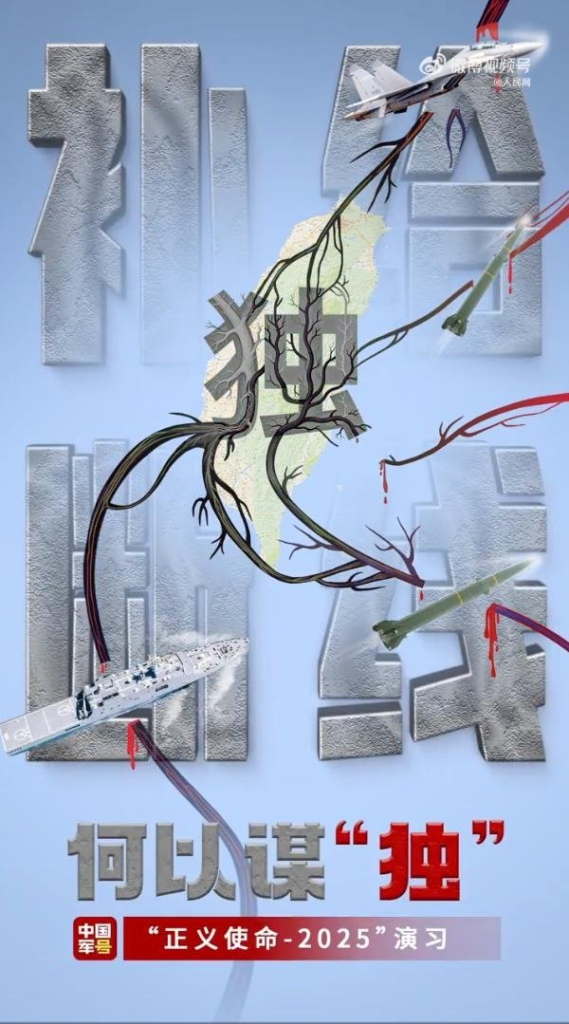
Figure 10. Poster by 中国军号 (Zhōngguó Jūnhào), China News, 30th December 2025, https://x.com/taiwanmonitor/status/2005869817232867426?s=46, accessed 30 January 2026.
6. Slogans of operational intent
Another recurring element is the use of slogans that spell out operational intent. The phrase 何以谋“独” (“How could you plot independence?”) on China Bugle posters frames the very idea of independence as illegitimate (Figures 10, 11). Other slogans, such as “guard,” “pursue and capture,” “patrol and control,” and “choke off,” are paired with more elaborate phrases like “Shield of Justice, Smashing Illusion,” “Arrow of Justice, Internal Control and External Denial,” “Justice Hammer, Blockade and Disruption,” and “Justice Horse, Besiege and Disintegration.”
In several posters, the character 独立 (independence) is literally crushed under a hammer. Taken together, this lexicon describes isolation, deprivation of support, and enforced authority. It points to what China plans to achieve in Taiwan and marks any pursuit of independence as a criminal act.
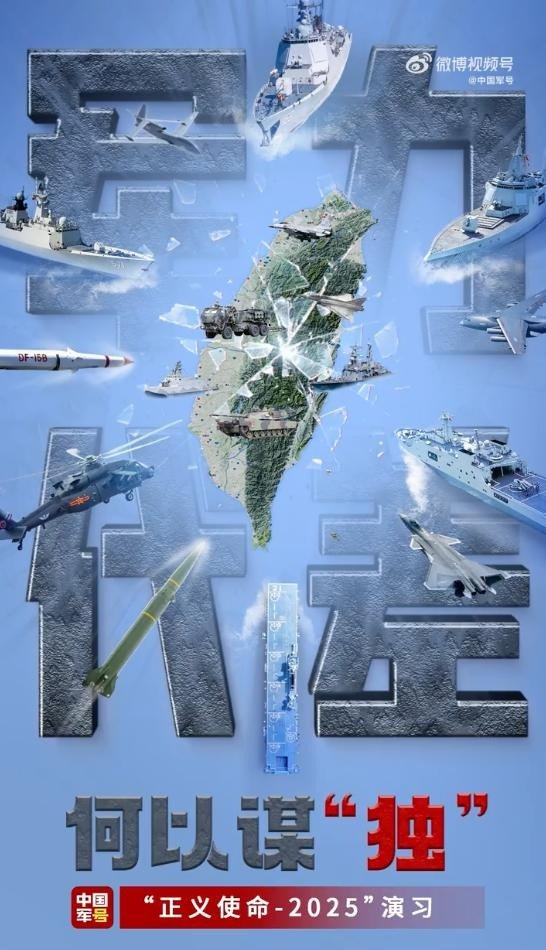
Figure 11. Poster by 中国军号 (Zhōngguó Jūnhào), China News, 30th December 2025, https://x.com/taiwanmonitor/status/2005869817232867426?s=46, accessed 30 January 2026.
7. Destruction of American weapon systems
The “Justice Mission 2025” poster campaign repeatedly depicts US weapon systems intercepted or destroyed en route to Taiwan. One poster shows two cargo ships loaded with HIMARS rocket systems reversing course after being blocked by a shield, three C‑130 transport aircraft forced to turn away from the island, and three nuclear‑powered attack submarines denied access on their approach. A similar scene appears in Figure 8 where the Taiwanese cargo vessel Evergreen, carrying several HIMARS systems, is intercepted by China Coast Guard personnel who deploy from a helicopter to board and seize the ship.
Posters 2, 5, 6, 10, and 11 include the same motif, either as the main focus or as a small, almost hidden detail. This recurring imagery supports the Chinese Foreign Ministry’s plan to implement countermeasures against large US arms sales to Taiwan and signals an ambition to choke off foreign military support in a crisis. Now that “Justice Mission 2025” has concluded without these scenarios materialising, a key question remains: will such depictions influence real‑world policy planning, or will they stay confined to the realm of propaganda visuals?
8. Preparing the European Information Space
For Europe, these visuals are not a distant sideshow but a preview of a possible crisis. Alongside rehearsing a blockade, the campaign tests a set of cognitive‑warfare narratives aimed not only at Taiwan and mainland audiences but also at Western and European partners of the island.
The posters normalise three core ideas: 1) Taiwan is an unquestionable part of China; 2) Large‑scale drills and even a blockade are an internal Chinese matter; 3) Foreign involvement is both illegal and destabilising.
If Beijing ever moves from exercises to a real operation against Taiwan, it is likely to deploy the same narrative toolkit against European publics and policymakers, presenting coercive measures as law‑enforcement actions and “protection” of national unity. Understanding these narratives in advance can help Europe anticipate how China will try to shape perceptions and factor this into its own policy planning and crisis responses.
Across all “Justice Mission 2025” poster series, the main aim is to promote coordinated propaganda aligned with PLA operational concepts. The messaging targets both domestic and external audiences. For mainland Chinese viewers, the posters present a strong, technologically advanced, and morally justified military that works to restore national unity and “arrest” separatists. For Taiwanese and foreign audiences, they cast doubt on the reliability of external support, highlight vulnerabilities in critical infrastructure and supply chains, and stress the costs of resisting Beijing’s demands.
The combination of symbolism, epic military equipment imagery, legalistic language, and detailed attention to Taiwan’s infrastructure blurs the line between narrative and war plan. The posters do more than illustrate exercises; they visualise an end state in which Taiwan is blockaded, disarmed, politically decapitated, and absorbed into mainland China under the banners of “justice” and “reunification.”